
 Paul
Paul
Podcast: Play in new window | Download ()
Subscribe: RSS
Who’s Medieval Army? embarks on a journey that examines aspects of women’s involvement in military activities in more recent centuries, mainly in both world wars and in Ireland between 1916 and 1923, while always remembering the backdrop of the almost exclusively male participation throughout the centuries.
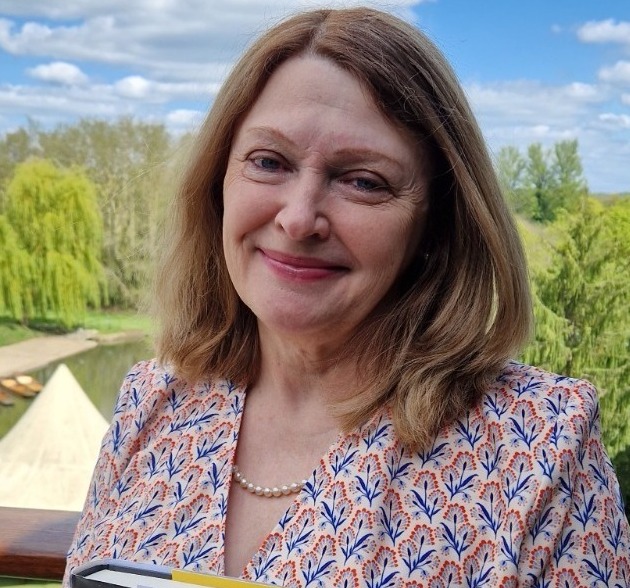
Dr Jackie Uí Chionna, who teaches History at University of Galway and Haley Brabazon, who is in the final stages of writing up her PhD with the Department of History in Dublin City University, talk about their research and their work and surmise how things have changed since Chaucer’s goodly, dull Knight returned from the Crusades, his sword guided by piety, no less.
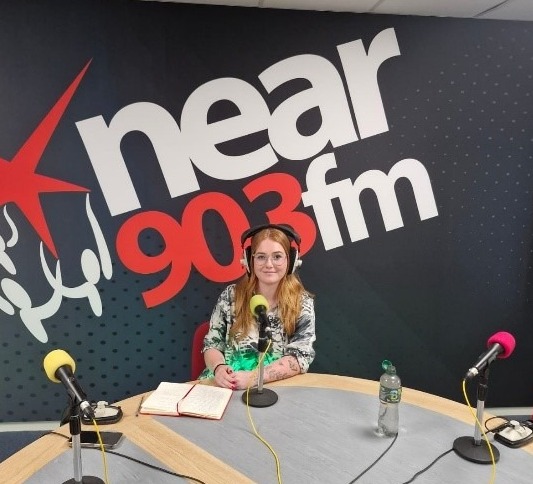
Written and produced by Bernie Dwan. Recorded and mixed by Declan McGlade. The series is made with the support of Coimisiún Na Meán’s Sound and Vision scheme, with the Television License fee. Recorded in Near FM studios, Coolock.
About the series
Devised and produced by Berni Dwan, and funded by Coimisiún na Meán, Charmers and Chancers: Chaucer’s Cheerleaders, is a five-part series that attempts to link five key medieval professions – military, religious, legal, medical, trading – as depicted in Chaucer’s Canterbury Tales, to women’s working lives today, and examine women’s participation in these professions down through the centuries. In the Canterbury Tales, written by Geoffrey Chaucer between 1387 and 1400, we meet thirty characters – only two of whom are women – The Prioress and the Wife of Bath – who agree to take part in a story-telling competition before setting off on pilgrimage to Canterbury Cathedral to visit the shrine of Saint Thomas Beckett, that troublesome priest who was murdered there by King Henry IIs knights in 1170.
In an innovative and entertaining way, the series will – at a time when the gender pay gap is still a reality and childcare remains a challenge for many women who work outside the home – juxtapose aspects of these five occupational areas between late medieval and post-modern by engaging 21st century female practitioners in discussion.